
Sectors
Servizi avanzati per tutti i settori di business
ASAP’s initiative and activities cut strongly across a wide range of business sectors.
Servitization and the development of advanced services are particularly important in the manufacturing sector and are also widely used in energy, information technology, transportation, and logistics. In particular, ASAP has focused its projects on four macro-sections covering the Machine Tool Industry, the Automotive Sector, Manufacturers of Home Appliances and Consumer Electronics, and Manufacturers of Professional Digital Systems.
Companies and individuals who do not belong to these macro-sectors can still access solutions and resources of great interest by participating in ASAP’s research, networking, or transfer activities.
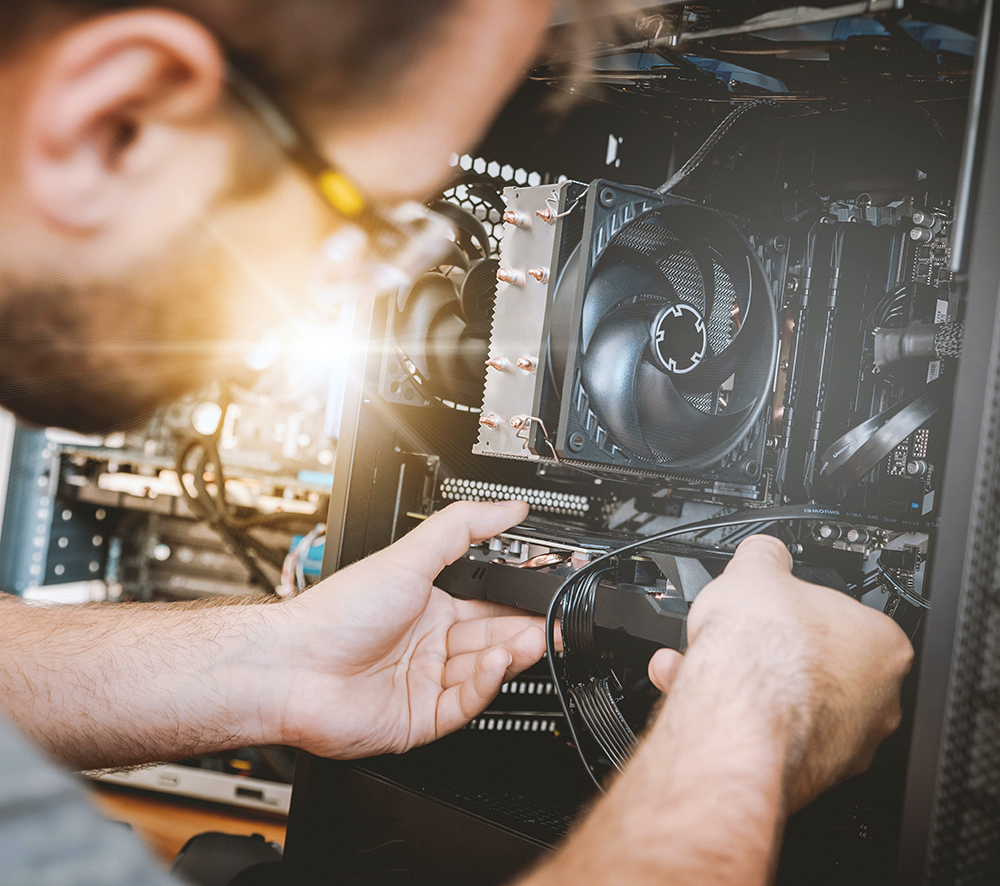
Servitization applied to industry
In today’s constantly changing market situation, the industry needs to shift from an exclusively product-centric view to offering advanced services integrated with products. By creating more valuable customer experiences, a deeper and more profitable relationship is established, leading to loyalty and the growth of a more flexible and sustainable economy.
In addition to the examples described above, servitization can be applied to many other areas, depending on customer needs and value creation opportunities. Here is how servitization is developing in some of the industries considered:
Automotive Industry
Servitization in the automotive industry is gaining increasing prominence because of the benefits it brings to manufacturing companies, as well as customers. Traditionally, automakers sold vehicles as stand-alone products, but in recent years there has been a shift toward offering integrated services related to the use and management of vehicles.
Automakers are often providers of services such as long-term rental, which reduce the risk and investment for the user while assuring the manufacturer of steady, scheduled revenue.
Scheduled maintenance and service or integrated connectivity services for in-vehicle navigation are further applications of servitization in this sector.
Machine tool industry
Equipment-as-a-Service (EaaS) is becoming increasingly popular in the machine tool and plant manufacturing industry. This business model identifies value not in the mere possession of the machinery as much as in the use and results achieved.
Instead of buying a machine or plant and managing its maintenance and upgrading, customers sign a service contract with a supplier that gives them access to the machines.
In this way, customers can use high-quality machines, and specialized services, and reduce financial risks, while the supplier can build customer loyalty and achieve steady revenue streams through the services offered.
Energy Sector
Servitization in the energy sector has given rise to the business model termed “Heat-as- Service” in which heat is provided as a service rather than as a product to be purchased.
Purchasing a heating system forces the customer to manage its installation, maintenance, and fuel supply. By signing a service contract with the supplier, on the other hand, the customer can meet his or her own heart needs without any other inconvenience while the producer secures recurring revenue and a stable cash flow.
Manufacturing of home appliances
In the home appliance sector, “Pay-per-Wash” formula services enable customers to enjoy washing services without having to purchase a washing machine.
By paying only for the rental of the appliance and the supply of detergents, they save on their investment and can enjoy the latest generation of washing machines that are more efficient and eco-friendly.
The supplier company takes care of the maintenance by acquiring long-term customers and making revenues constant over time, freeing itself from the risk of a downturn in sales.
Digital Systems Industry
Servitization applied to Digital System companies, such as manufacturers of servers, copiers, and printing systems, involves moving from selling hardware or software to providing integrated services.
The customer can thus benefit from an integrated package of digital services that are always up-to-date without dealing with the maintenance and management of the systems. Pricing is based on usage, and the service provider can thus count on consistent revenue and greater resilience to market changes.
Contact us to inquire about our activities or to join the ASAP community