
Transfer and Enhancement
From scientific research to the creation of shared value
ASAP supports enterprises through the transfer of technologies and knowledge acquired in scientific research. Through collaboration between academia and business, the transition between the research and market spheres is smoother and more effective.
The goal is to translate the strategies developed into concrete actions to respond to current business issues and develop a more evolved, flexible, and resilient economic model.
In particular, ASAP is the benchmark for business innovation through servitization and the development of advanced services.
The transfer of results obtained through our research projects is aimed at both the development of large enterprises and SMEs and the selection of professionals to manage innovation.
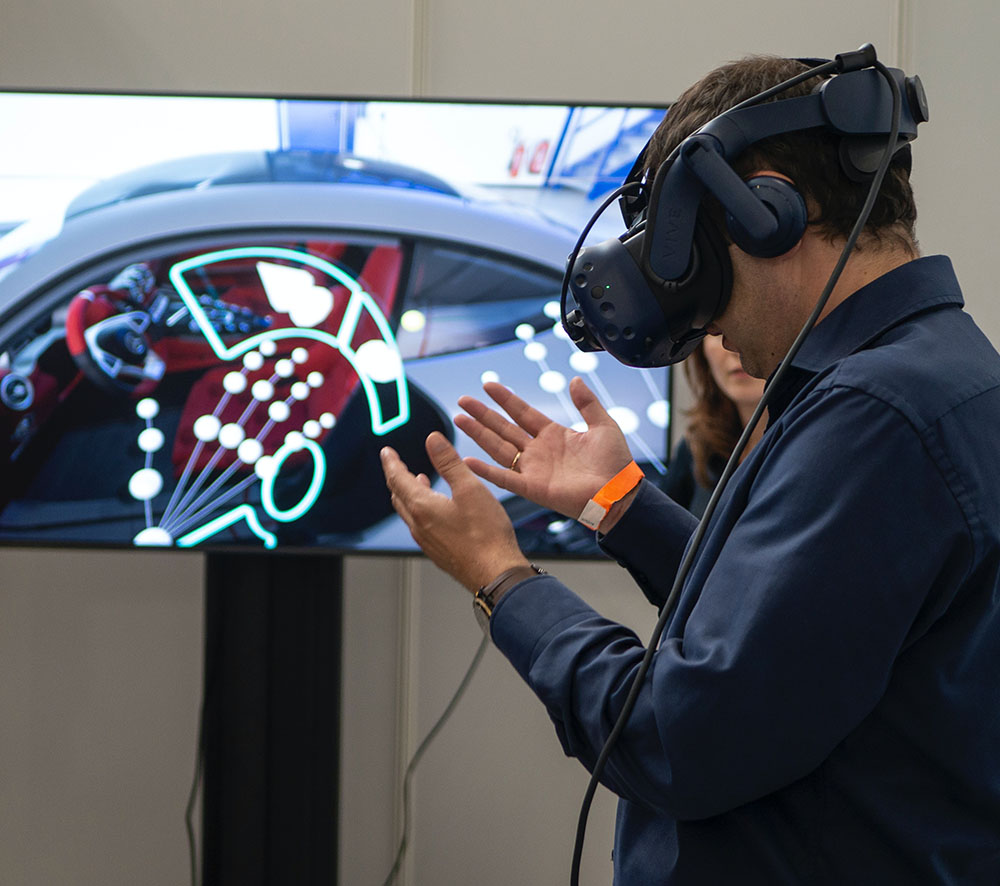
benefits
The technology transfer from research to business
Technology transfer, understood as the transfer of knowledge, methods, technologies, and strategies acquired in research to the reality of companies, has many advantages. These include:
New solutions to current problems
Technology transfer is today the basis of innovation and competitiveness in many sectors of industry.
The new frontiers opened by research enable the development of new product services and the optimization of existing ones.
Diffusion of knowledge for the benefit of all
Through the exploitation and transfer of research results, knowledge finds wide dissemination by opening up to multiple applications.
In this way, strategies, methods, technologies, and skills developed in academia translate into value for all stakeholders.
Profitable collaboration between academia and industry
Technology transfer is a process in which companies work closely alongside academic research. The result is more relevant research focused on solving real industry problems and developing innovative and sustainable solutions.
Participating companies also provide important case studies of the application of new knowledge, to the mutual benefit of all involved.
Access to innovative technologies and resources
Through technology transfer of research results, companies gain access to advanced and otherwise unavailable skills, resources, and technologies.
This enables faster evolution and implementation of identified solutions.
Economic and Social Growth
By providing companies with tools and skills to increase productivity and efficiency, technology transfer contributes to economic growth. In addition to optimizing companies’ offerings, it allows them to reduce costs and open the way to new markets.
In addition, innovation creates new jobs and helps develop solutions that protect people and reduce environmental impact.
How we transfer value to businesses
The ASAP community transfers knowledge from research activities to businesses through two main mechanisms:
Technology transfer projects
Technology transfer projects are aimed at both large enterprises and SMEs. They are Research, Development, and Innovation (RDI) projects that can be carried out in partnership when funded by regional, national, and European public agencies.
Interested companies can participate in funding calls to obtain support in research, development, and innovation. In some cases, projects are carried out in collaboration with departments of member universities or international research centers. Other CSR activities are carried out on specific patronage.
To this end, ASAP has established an innovation ecosystem over time, which includes several academic spin-offs. Each spin-off specializes in offering consulting services in the areas of organization, processes, and technologies. These projects aim to foster innovation and development of industrial enterprises by addressing technical, management, and regulatory aspects.
Recruitment and Management Services
In this case, the transfer provides a pipeline of services for the selection and placement of professionals in the business departments and innovation projects described above.
Placement services are provided by the rules and regulations of the academic institutions involved.
The selection may involve junior figures for first employment, such as undergraduates and recent graduates without work experience, or experienced figures, identifiable in the alumni network.
The professional figures selected must meet different competencies for different technical and managerial roles, starting from less skilled positions to more specialized roles. In all cases, the ASAP team takes charge and collaborates with member companies to define the specific needs, quality, and quantity of the professional figures sought. These are then placed through internships and projects with the industrial partner.
Selection and training of highly specialized figures
Some very selective and long-term placement projects are concerned with training and recruiting individuals capable of dealing with the complexities of service business development, as in the case of project managers of Research, Development, and Innovation projects. In this case, the placement is carried out in collaboration with the doctoral programs of the colleges to which ASAP professors and researchers belong.
Including:


Find out about other activities on the website or contact us for information.